

Updated July 2026.

Sandy ElChaar
Psychologist, Psychotherapist and Co-Founder of Meaningful Paths
Sandy ElChaar is a psychologist and trained psychotherapist specialising in Existential Analysis and Logotherapy. She is completing her PhD and works as a researcher and trainer with experience in mental health and evidence-based interventions.
As Co-Founder of Meaningful Paths, Sandy leads the clinical direction and development of the Mountain Framework, translating existential psychological principles into accessible tools for everyday life. She is also the author of Quest for Meaning: 10 Exercises on Purpose.
Problematic pornography use is often viewed as a question of willpower, but many people discover that the struggle runs much deeper. Repeated pornography use may be an attempt to cope with loneliness, stress, anxiety, emotional pain or a lack of meaning. While “porn addiction” is not currently recognised as a formal diagnosis in major diagnostic manuals, many people experience compulsive patterns that negatively affect their relationships, wellbeing and daily life. Recovery is often about more than stopping a behaviour—it involves understanding the needs the behaviour may be trying to meet and building a life that feels more meaningful and connected.
In today’s hyper-connected world, access to adult content is effortless. While pornography can be a casual activity for some, for others, it spirals into compulsive use, disrupting their emotional well-being, relationships, and personal growth. Porn addiction symptoms often begin subtly but can escalate into an all-consuming struggle.
However, the problem is rarely just about pornography itself. What if porn addiction is not merely about self-control but about an underlying crisis of meaning? Existential Analysis and Logotherapy, developed by Viktor Frankl, offer a deeper understanding—seeing addiction as not just a behavioral problem but as an attempt to fill an inner void.
Recognizing the Signs of Porn Addiction
Identifying signs of porn addiction is essential for breaking free. Some key porn addiction symptoms include:
- Escalation – Seeking more extreme content to achieve the same level of excitement.
- Loss of Control – Repeated unsuccessful attempts to cut down or quit.
- Neglecting Responsibilities – Prioritizing porn over work, relationships, and personal goals.
- Emotional Numbness & Anxiety – Feeling shame, guilt, or emptiness post-consumption.
- Withdrawal & Isolation – Choosing porn over real-life intimacy and meaningful connections.
- Compulsive Use Despite Negative Consequences – Continuing despite knowing its harmful effects on life and relationships.
If these signs resonate, it may indicate that pornography is being used as an escape rather than a choice.
The Existential Perspective on Porn Addiction
From an Existential Analysis standpoint, addiction is a symptom of deeper existential struggles:
- Loss of Inner Freedom – The addictive cycle traps individuals in self-alienation, detaching them from their true selves.
- Avoidance of Authentic Existence – Pornography often becomes a shield against fears of rejection, loneliness, and intimacy.
- Disconnection from Meaning & Values – Many individuals feel disconnected from their deeper values but struggle to realign.
Porn addiction, then, is not merely a habit—it is an attempt to cope with unresolved existential tensions.
Logotherapy: Searching for Meaning Beyond Pornography
Viktor Frankl’s Logotherapy teaches that human fulfillment is not rooted in pleasure but in meaning. When someone compulsively uses pornography, they may be unconsciously searching for connection, purpose, or relief from an inner void.
To move beyond addiction, Logotherapy emphasizes:
- Freedom in Responsibility – Recognizing that, even in addiction, one has the power to choose a new path.
- Reconnecting to Meaningful Relationships – Moving from artificial stimulation toward real intimacy and connection.
- Transcendence Over Impulse – Rising above short-term gratification to align with long-term values and purpose.
Rather than suppressing urges, Logotherapy helps individuals redirect their energy toward a meaningful existence.
The Path to Recovery: Finding Fulfillment Beyond Pornography
Breaking free from pornography addiction requires psychological, emotional, and existential transformation. Practical steps include:
- Mindful Awareness – Identifying triggers and understanding the emotional void that addiction attempts to fill.
- Building Authentic Connections – Engaging in deep, meaningful relationships that foster real intimacy.
- Pursuing Meaningful Activities – Replacing compulsive habits with creativity, purpose-driven work, and personal growth.
- Seeking Professional Support – Therapy, coaching, or support groups can provide structured guidance toward recovery.
Addiction is not just about self-control—it’s about self-discovery and reconnecting with what truly matters.
Stepping Beyond the Screen Into a Life of Meaning
If you recognize the signs of porn addiction in your life, the solution is not simply to quit but to replace it with something more meaningful. Fulfillment comes not from escaping reality but from embracing it—relationships, passions, and a purpose-driven life.
As Viktor Frankl wisely said: “When we are no longer able to change a situation, we are challenged to change ourselves.” The journey to breaking free from addiction starts with choosing to reclaim your life.

Understanding Pornography Through the Mountain Framework
Within the Meaningful Paths Mountain Framework, compulsive pornography use can be understood as more than a habit to break. It may reflect several areas of life calling for attention.
Storm Clouds — Anxiety
Many people describe turning to pornography during periods of stress, overwhelm, boredom or emotional discomfort. Rather than addressing these feelings directly, pornography may become a temporary escape from them.
Compass — Sense of Orientation
When life lacks direction or purpose, short-term relief can become increasingly attractive. Reconnecting with meaningful goals can help shift attention away from immediate gratification towards long-term fulfilment.
Fellow Travellers — Relationships
Compulsive pornography use can sometimes create distance within relationships or become a substitute for authentic emotional connection. Healing often involves rebuilding trust, intimacy and genuine human connection.
Guiding Stars — Values
Recovery is not simply about resisting urges. It is about reconnecting with the values that define the person you want to become. When actions become more aligned with personal values, lasting change often becomes more sustainable.
Rather than asking, “How do I stop?”, the Mountain Framework encourages a different question:
“What meaningful life am I moving towards instead?”
Explore What May Be Beneath the Behaviour
Compulsive habits can sometimes become a way of coping with feeling lost, lonely or disconnected from meaningful goals.
Path Search is our free guided reflection app, built around the Meaningful Paths Mountain Framework. Search for what you are experiencing and discover therapist-designed activities that can help you better understand your needs, values and next steps.
Goal Setting
Explore what you want to move towards and create goals that feel meaningful, realistic and aligned with the person you want to become.
I Feel Lost
Reflect on what may be contributing to your lack of direction and begin identifying what could help you feel more grounded and purposeful.
Loneliness
Explore feelings of isolation and disconnection, and reflect on the kinds of relationships, support and belonging you may be needing.
Free to explore on iOS, Android and the web
Related Articles
Compulsive behaviours rarely exist in isolation. They often connect with deeper questions about purpose, values, relationships and how we cope with life’s challenges. Continue exploring with these related articles.
From Lost Hope to Found Purpose
When life feels empty or overwhelming, it can be difficult to see a way forward. Discover how reconnecting with meaning and purpose can become the first step towards lasting change.
→ https://www.meaningfulpaths.com/from-lost-hope-to-found-purpose/
What Are Values? A Reflective Guide to Meaning, Direction and Living Authentically
Understanding your values can help guide your decisions, strengthen your resilience and provide a meaningful direction for life beyond short-term relief.
The Importance of Shared Values in a Relationship
Strong relationships are built on more than attraction. Explore how shared values foster trust, communication and deeper emotional connection.
→ https://www.meaningfulpaths.com/the-importance-of-shared-values-in-a-relationship/
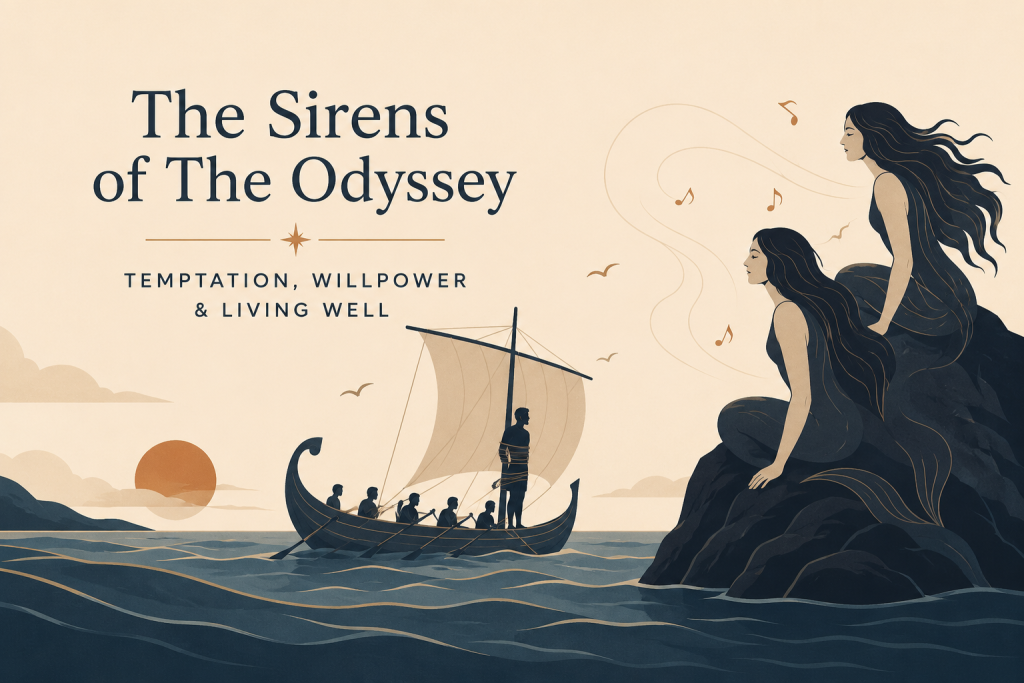
Sirens and Willpower: The Search for Meaning in a World of Distraction
The story of Odysseus and the Sirens reminds us that lasting fulfilment comes not from resisting temptation alone, but from staying connected to what truly matters.
→ https://www.meaningfulpaths.com/sirens-will-power/
Compulsive Shopping: Understanding the Search for Meaning
Compulsive shopping often reflects more than a desire to buy things. Explore how emotional needs, identity and the search for meaning can influence our behaviours and how lasting change begins from within.
→ https://www.meaningfulpaths.com/compulsive-shopping/
Frequently Asked Questions
Is pornography addiction a recognised mental health diagnosis?
The term “porn addiction” is widely used, but it is not currently recognised as a formal diagnosis in the DSM-5. However, many people experience compulsive pornography use that causes significant distress or negatively affects their relationships, work or wellbeing.
Why do some people struggle to stop watching pornography?
For many people, pornography becomes a way of coping with stress, loneliness, anxiety or emotional discomfort rather than simply seeking pleasure. Understanding these underlying needs is often an important part of recovery.
Can therapy help with compulsive pornography use?
Yes. Therapy can help you understand emotional triggers, strengthen healthier coping strategies, rebuild relationships and reconnect with your values and sense of purpose. Many people find that recovery involves both behavioural change and deeper personal growth.
Is recovery only about willpower?
Not usually. While self-control plays a role, lasting recovery often comes from building a life that feels more meaningful, connected and aligned with your values rather than relying on willpower alone.
How does the Mountain Framework help?
The Mountain Framework encourages you to look beyond the behaviour itself and reflect on different areas of your life, including your relationships (Fellow Travellers), values (Guiding Stars), anxiety (Storm Clouds) and sense of direction (Compass). This broader perspective can help identify what the behaviour may be masking and where meaningful change can begin.
Sandy ElChaar
Psychologist, Psychotherapist and Co-Founder of Meaningful Paths
Sandy ElChaar is a psychologist and trained psychotherapist specialising in Existential Analysis and Logotherapy. She is completing her PhD and works as a researcher and trainer with experience in mental health and evidence-based interventions.
As Co-Founder of Meaningful Paths, Sandy leads the clinical direction and development of the Mountain Framework, translating existential psychological principles into accessible tools for everyday life. She is also the author of Quest for Meaning: 10 Exercises on Purpose.