
Loneliness is often misunderstood as simply being alone. In reality, loneliness can be felt in relationships, in crowds, during transitions, or even in moments of apparent success. It is not a single experience, but a collection of deeply human responses to disconnection, unmet needs, and questions of belonging and meaning.
This page brings together research-informed reflections and resources to help you understand the different forms loneliness can take — and why it may be showing up in your life right now.
Rather than offering quick fixes, these resources invite understanding, self-compassion, and clarity.
What Is Loneliness?
Loneliness is the subjective experience of feeling disconnected — from others, from oneself, or from a sense of meaning and belonging. It is possible to feel lonely even when surrounded by people, and equally possible to feel content while alone.
Loneliness often emerges during:
Life transitions
Relationship changes
Periods of identity questioning
Times of emotional growth or loss
It is not a personal failure. It is a signal.
Common Ways Loneliness Shows Up
Loneliness is not one thing. Below are some of the most common ways people experience it, along with resources to explore each more deeply.
Loneliness in Relationships
Many people are surprised to find themselves feeling lonely while in a relationship. This form of loneliness is often emotional rather than physical — a sense of being unseen, unheard, or disconnected despite closeness.
You may resonate with questions such as:
Why do I feel lonely even though I’m not alone?
Why does my relationship feel emotionally distant?
Is it normal to feel lonely with my partner?
Explore further:
Why Do I Feel Lonely in My Relationship?
https://www.meaningfulpaths.com/why-do-i-feel-lonely-in-my-relationship/
Loneliness as a Student or Young Adult
Loneliness is particularly common during student years and early adulthood. This stage of life often involves leaving familiar environments, redefining identity, and trying to belong in new spaces — all at once.
Student loneliness can appear even in busy, social settings and may be accompanied by self-doubt or comparison.
Explore further:
Why Do I Feel Lonely as a Student?
https://www.meaningfulpaths.com/why-do-i-feel-lonely-as-a-student/
Loneliness and Not Feeling Like You Belong
Sometimes loneliness is less about being alone and more about not feeling at home anywhere. This can occur when our inner world no longer matches the environments we’re in — socially, culturally, or professionally.
This experience is common among:
Transfer students
People navigating new roles or identities
Those who feel “out of place” despite outward success
Explore further:
Don’t Fit In Anywhere?
https://www.meaningfulpaths.com/dont-fit-in-anywhere/
Night-Time Loneliness
For many people, loneliness becomes more noticeable at night. When distractions fade, unspoken feelings and unmet needs often surface.
Night-time loneliness can feel heavier, more emotional, and harder to ignore — especially during periods of stress, uncertainty, or transition.
Explore further:
Why Do I Feel Lonely at Night?
https://www.meaningfulpaths.com/why-do-i-feel-lonely-at-night/
Loneliness in the Wider Social Context (UK)
Loneliness is not only a personal experience — it is also shaped by cultural, economic, and social conditions. In the UK, loneliness has become a growing public concern, affecting people across age groups and life stages.
Understanding loneliness at a societal level can help reduce self-blame and place individual experiences in context.
Explore further:
Loneliness in the UK (2025): Listening to the Nation’s Search for Connection
https://www.meaningfulpaths.com/loneliness-in-the-uk-2025-listening-to-the-nations-search-for-connection/
When Loneliness Connects to Purpose and Meaning
Loneliness often carries an existential dimension. It may arise not only from social disconnection, but from a loss of direction, values, or meaning.
At times, loneliness asks deeper questions:
What matters to me now?
Who am I becoming?
What kind of life feels meaningful?
In this sense, loneliness can be an invitation — not to fix oneself, but to reconnect with purpose.
Explore further:
Living a Purposeful Life
https://www.meaningfulpaths.com/living-a-purposeful-life/
Loneliness Is Not Something to “Get Rid Of”
A common response to loneliness is to try to eliminate it as quickly as possible. But loneliness is often less about something being wrong — and more about something wanting attention.
Rather than asking “How do I stop feeling lonely?”, it can be helpful to ask:
What is this loneliness pointing toward?
What connection, meaning, or honesty is missing?
What part of me wants to be heard?
Understanding loneliness is often the first step toward relating to it differently.
You Are Not Alone in Feeling Lonely
Loneliness is one of the most universal human experiences — even though it can feel deeply isolating when it appears. If loneliness has been part of your life recently, it does not mean you are behind, broken, or failing.
It may simply mean you are listening more closely to your inner world.
How to Use These Resources
You don’t need to read everything at once. You might choose one article that reflects your current experience, or return to this page whenever loneliness takes a different shape.
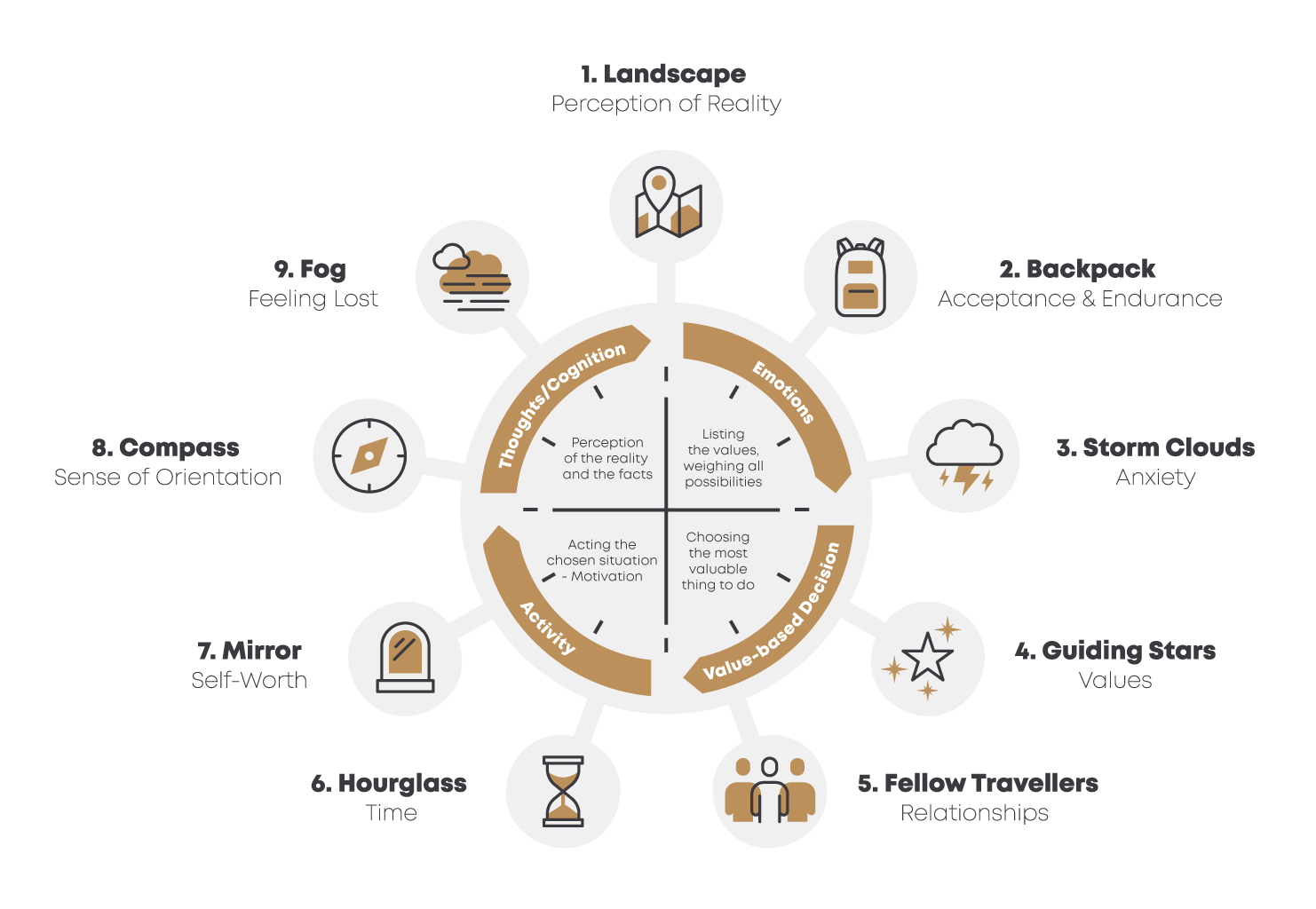
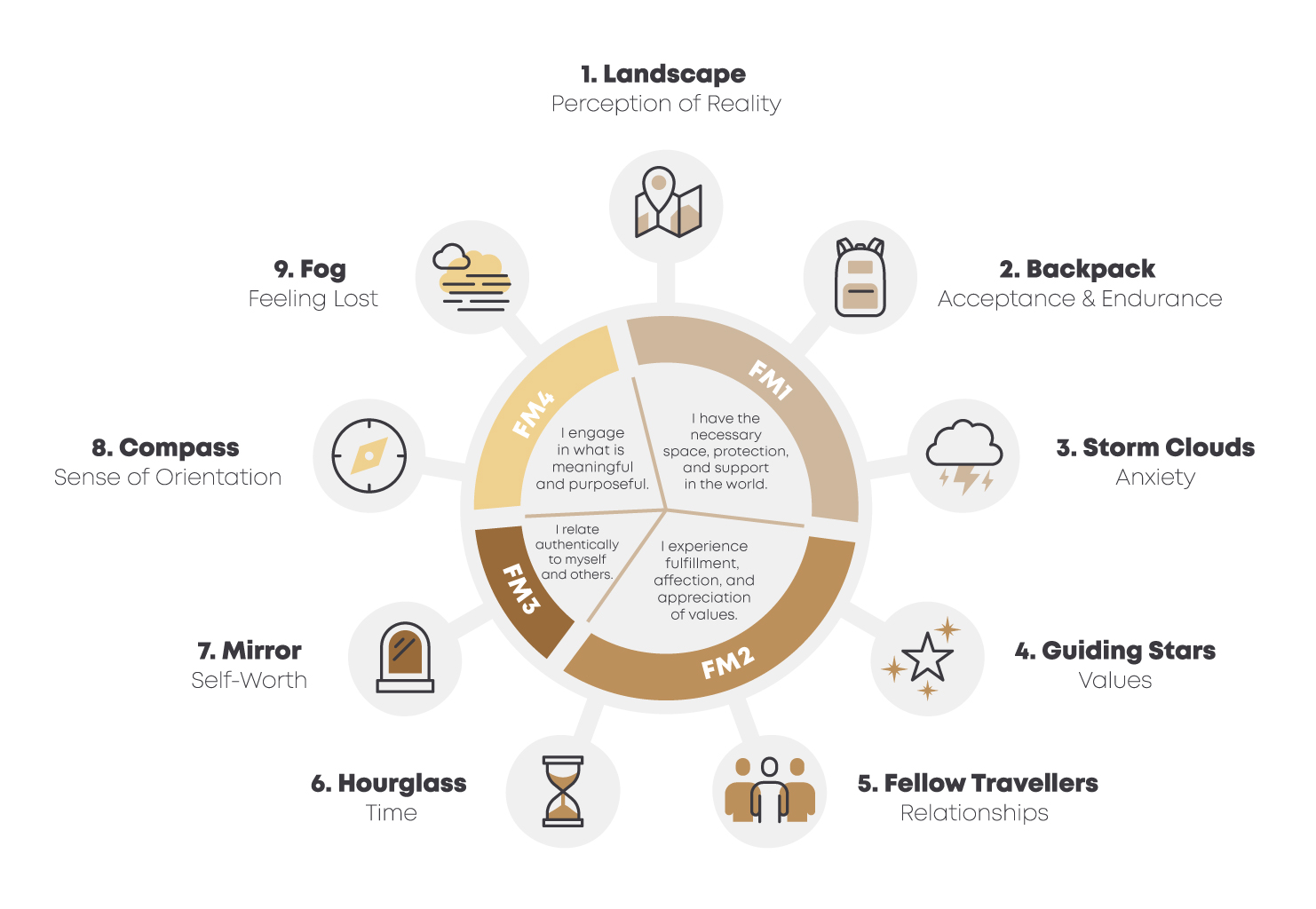
This page is here as a living map — not a solution, but a guide.
Our Tools
Path Search
For Individuals: React Native app. Non AI human centered search engine for life's challenges. Topics include stress, anxiety, relationships, work and much more.
Path Guide
For Individuals: Mobile based app; a dedicated coach will send you in app activities based on your needs - stress, anxiety, communication.
Client Pathways
For Therapists & Practitioners: Send clients interactive activities and homework in between your sessions.
Community Insights
For Therapists & Practitioners: Real world Data Insights to help you serve your communities mental health and wellbeing needs.
Frequently Asked Questions About Loneliness
What is loneliness, really?
Loneliness is not simply about being alone. It is the felt experience of disconnection — from others, from oneself, or from a sense of belonging and meaning. Someone can feel lonely in a relationship, in a crowd, or during periods of success. Loneliness is subjective, shaped by emotional needs rather than the number of people around us.
Is it normal to feel lonely even when life looks “fine”?
Yes. Loneliness often appears when there is a gap between our outer life and our inner experience. Even when things look stable — socially, professionally, or relationally — loneliness can emerge if emotional needs, values, or sense of meaning are not being met. This does not mean something is wrong; it often means something important is being felt.
Why do so many people feel lonely today?
Loneliness has become more visible in modern life due to a combination of factors: social fragmentation, increased mobility, digital connection replacing emotional closeness, and rising pressure to appear self-sufficient. Cultural expectations often leave little room to speak openly about loneliness, which can deepen the experience.
Can loneliness happen in relationships?
Yes. Loneliness in relationships is common and often misunderstood. It usually reflects emotional disconnection rather than lack of care or presence. People may feel lonely with a partner when they feel unseen, unheard, or unable to express their deeper needs. This form of loneliness can be especially confusing because it contradicts expectations of closeness.
Why does loneliness feel worse at night?
Loneliness often intensifies at night because distractions fade and emotional awareness increases. Without the structure of the day, unspoken feelings and unmet needs can come to the surface. Night-time loneliness is not a failure of coping; it is often a moment when deeper questions about connection and meaning become harder to avoid.
Is loneliness a mental health problem?
Loneliness itself is not a diagnosis. It is a human experience that can affect wellbeing, especially if it becomes prolonged or overwhelming. While loneliness can contribute to distress, it is often more helpful to understand it as a signal rather than a pathology — pointing toward needs for connection, belonging, or meaning.
Does loneliness mean something is wrong with me?
No. Loneliness does not mean you are broken, ungrateful, or failing at life. It often arises during periods of change, growth, or reflection. Many people experience loneliness precisely because they are sensitive to connection and meaning. In this sense, loneliness can be a sign of awareness rather than deficiency.
What can loneliness be pointing toward?
Loneliness often points toward unmet emotional needs, transitions in identity, or questions of purpose and belonging. Rather than asking how to get rid of loneliness, it can be helpful to ask what it is asking for — deeper connection, authenticity, rest, or clarity about what matters now.
When should I seek support for loneliness?
Support can be helpful whenever loneliness feels heavy, persistent, or confusing — not only in moments of crisis. Speaking with a therapist, counsellor, or trusted other can create space to understand loneliness rather than struggle with it alone. Seeking support is not a failure; it is a response to something meaningful.
Can loneliness ever be meaningful?
Yes. While painful, loneliness can sometimes open space for reflection, honesty, and re-orientation. Many people encounter loneliness at turning points in life — when old ways of being no longer fit and new ones have not yet formed. In this way, loneliness can be part of a meaningful process of becoming.