

Good health isn’t something that happens overnight.
It’s the result of daily choices that support your body, your mind, and your sense of meaning in life.
In this article, we explore 5 key habits for better overall health — habits that are supported by research, grounded in practical psychology, and aligned with our Meaningful Paths understanding of what humans need to flourish.
These habits are:
- Applying the Mountain Framework
- Daily movement
- Social connections
- Quality sleep
- Hydration
At the end you’ll also find additional trusted resources and links to helpful exercises on Meaningful Paths which will support your habits for health.
1) Align Your Habits with a Deeper Framework
(Habit: Meaning + Structure)
Often, health habits fail because they lack personal meaning. If your health routines don’t connect to what truly matters to you, they quickly fade.
This is where the Mountain Framework becomes valuable.
The Mountain Framework, created by Meaningful Paths, helps you explore:
- FM1: Do I have the necessary space and support?
- FM2: Do I experience fulfillment and appreciation of values?
- FM3: Do I relate authentically to myself and others?
- FM4: Do I engage in meaningful, purposeful action?
When you anchor physical habits (like movement, sleep, hydration) in meaningful reasons — not just obligation — they become easier to sustain.
For example:
- Instead of “I should exercise,” think, “Moving daily helps me show up fully for the people I care about.” (Meaning + values)
- Instead of “I need better sleep,” think, “Sleeping well helps my clarity and presence.”
To explore the Mountain Framework more deeply:
https://www.meaningfulpaths.com/our-framework/
Many readers also find value in our mental health habits guide:
https://www.meaningfulpaths.com/habits-for-good-mental-health-small-daily-changes-that-make-a-real-difference/
2) Move Daily — Even a Little Counts
(Habit: Daily Physical Activity)
Movement is one of the most powerful habits for both physical and mental wellbeing.
Why Movement Matters
According to the World Health Organization (WHO), adults should aim for at least 150 minutes of moderate-intensity physical activity per week. Regular movement:
- Reduces risk of chronic disease (heart disease, diabetes)
- Improves mood and lowers symptoms of depression
- Supports cognitive function and stress regulation
- Helps regulate sleep patterns
WHO. (2020). Physical activity. https://www.who.int/news-room/fact-sheets/detail/physical-activity
Even short daily movement — a 10-minute walk, gentle yoga, or stair climbing — produces measurable health benefits. Research published in the British Journal of Sports Medicine shows that breaking up sedentary time reduces health risk, even if overall exercise volume is not high.¹
Inspiration from Blue Zones
Blue Zones — regions of the world where people live significantly longer and healthier lives — show us that daily movement doesn’t need to be intense:
• Walking naturally as part of life
• Gardening
• Carrying groceries by hand
• Taking the stairs instead of the elevator
These are all built-in movement habits for health that add up over time.
3) Nurture Supportive Social Connections
(Habit: Social Wellbeing)
Humans are social animals. Across cultures and research, strong social bonds correlate with better health outcomes.
A landmark report from PLOS Medicine found that people with strong social relationships had a 50% increased likelihood of survival over time compared to those with weaker ties.²
Ways to Strengthen Connections
- Schedule regular check-ins with close friends
- Join community groups or classes
- Volunteer or participate in group activities
- Create shared routines with loved ones
Social connection not only supports mood but can buffer stress, reduce anxiety, and strengthen resilience in the face of challenges.
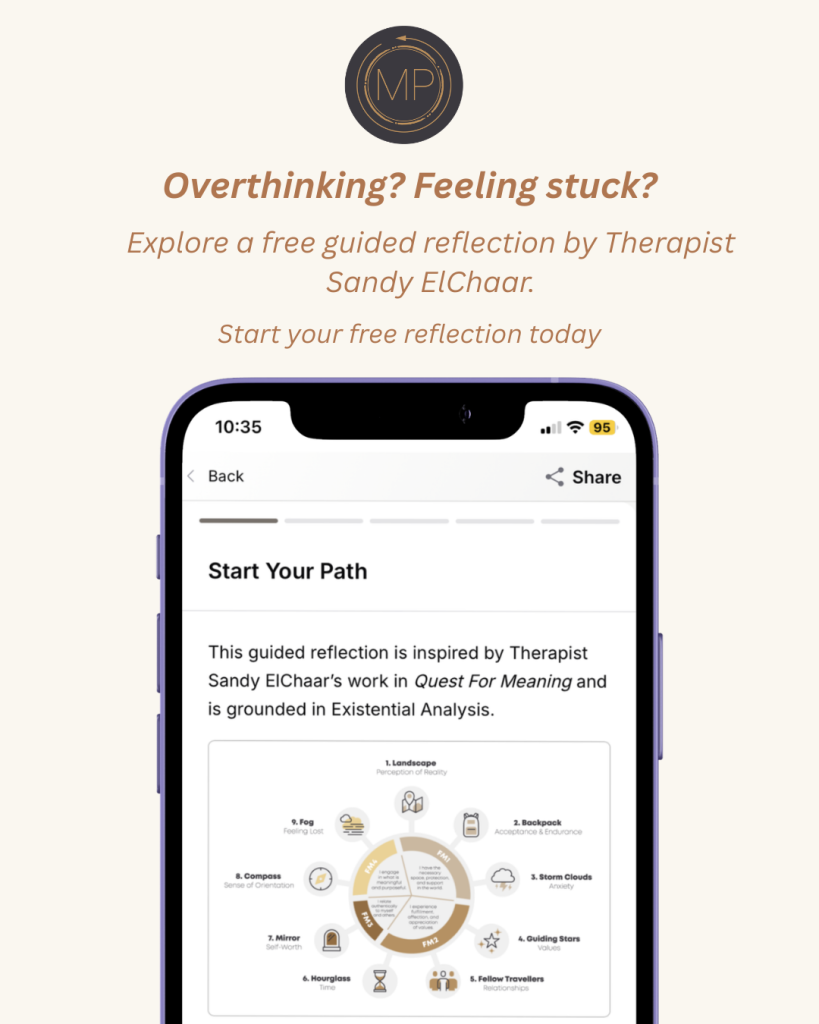
Explore Free Activity – Created by Therapist Sandy ElChaar >>
4) Prioritise Quality Sleep
(Habit: Sleep Hygiene)
Sleep is not optional — it’s foundational for habits for health.
Research from the Sleep Research Society and American Academy of Sleep Medicine recommends 7–9 hours of good quality sleep per night for adults.³
Poor sleep increases risk of:
- Depression
- Anxiety
- Memory issues
- Chronic health conditions
Sleep-Supporting Habits
- Maintain consistent sleep/wake times
- Avoid screens 60 minutes before bed
- Keep your bedroom cool and dark
- Practice relaxation (deep breathing or journaling)
Even small improvements in sleep hygiene can dramatically improve mood, energy, and cognitive function.
5) Stay Hydrated — It’s Not Just About Water
Hydration influences every system in your body, including:
- Brain function
- Digestion
- Metabolism
- Mood and energy
Emerging research also shows that even mild dehydration can impair mood and concentration.⁴
Hydration Habits That Work
- Start the day with a glass of water
- Carry a refillable bottle
- Pair drinking water with routines (e.g., with meals)
- Include hydrating foods: cucumbers, watermelon, oranges
Rather than obsessing over a fixed number like “8 glasses,” tune into your thirst cues and activity level.
How These Habits For Health Fit Together
Remember:
- Daily movement supports sleep quality
- Movement and hydration improve mood
- Social connections anchor meaning
- The Mountain Framework ties it all to purpose
Healthy habits are not isolated tasks — they are interconnected practices that help you live with more stability, clarity, and direction.
If you’d like a structured way to build habits around meaning and purpose, consider our Existential Workbook & Audio Course:
https://www.meaningfulpaths.com/quest-for-meaning-ebook-2/
It includes 10 guided exercises + audio reflections designed to help you explore meaning, motivation, and personal growth.
Explore Free Activity – Created by Therapist Sandy ElChaar >>
Conclusion: Small Habits, Lasting Health
Health rarely changes through one dramatic decision. It shifts gradually — through the steady repetition of meaningful daily choices. The most sustainable habits for health are not extreme or perfectionistic; they are grounded in consistency, connection, and clarity about what truly matters.
When movement supports your energy, sleep restores your mind, hydration fuels your body, relationships strengthen your resilience, and your actions align with purpose, your habits for health become part of who you are — not just something on a checklist. Anchoring these habits within a deeper framework, like the Mountain Framework and the Four Fundamental Motivations, helps ensure they remain steady even when life feels uncertain.
Start small. Choose one area. Build one supportive routine. Health grows not from pressure, but from intentional daily practice rooted in meaning.
Habits For Health Resources
Don’t stop here — these pages offer further guidance and structured exercises that complement the habits above:
Habits for Good Mental Health (Daily Changes That Make a Real Difference)
https://www.meaningfulpaths.com/habits-for-good-mental-health-small-daily-changes-that-make-a-real-difference/
Living a Purposeful Life — What It Really Means
https://www.meaningfulpaths.com/living-a-purposeful-life/
Personal Growth Plan Template
https://www.meaningfulpaths.com/sample-personal-growth-plan-with-a-simple-template/
References
- Ekelund, U., et al. (2019). Dose–response associations between physical activity and mortality. British Journal of Sports Medicine.
- Holt-Lunstad, J., et al. (2010). Social Relationships and Mortality Risk. PLOS Medicine.
- Watson, N.F., et al. (2015). Sleep Duration Recommendations. Sleep.
- Pross, N., et al. (2014). Effects of Dehydration on Mood and Cognition. Nutrition Reviews.
Image reference – https://www.pexels.com/@mart-production